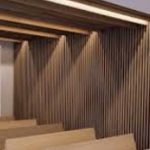
Sound plays a powerful role in how we experience a space. Whether it’s an office, home theater, classroom, or recording studio, poor acoustics can lead to echoes, distractions, and reduced comfort. Acoustic panels are one of the most effective solutions for controlling sound and improving clarity—but choosing the right type requires understanding materials, performance, and design needs.
This guide will help you select the ideal acoustic panels for your environment by breaking down the most common materials and their benefits.
Why Acoustic Panels Matter
Acoustic panels are designed to absorb sound waves rather than reflect them. Without them, sound bounces off hard surfaces such as walls, ceilings, and floors, creating echo and noise buildup. Properly chosen panels can:
• Reduce echo and reverberation
• Improve speech clarity
• Enhance audio quality
• Increase privacy
• Create a calmer atmosphere
They are essential in spaces where sound quality, focus, and comfort are priorities.
Common Acoustic Panel Materials & Their Benefits
- Fabric-Wrapped Panels
Fabric panels are among the most popular options because they combine performance with aesthetics.
Benefits:
• Excellent sound absorption
• Available in various colors and textures
• Customizable to match interior design
• Ideal for offices, conference rooms, and studios
These panels are perfect when you want acoustic performance without compromising visual appeal. - Wooden Acoustic Panels
Wood panels are designed with perforations or slats backed by acoustic material to absorb sound while maintaining a natural look.
Benefits:
• Stylish and premium appearance
• Durable and long-lasting
• Balanced sound absorption and diffusion
• Ideal for auditoriums, boardrooms, and luxury interiors
They are ideal for spaces where both design sophistication and acoustic quality are important. - Polyester Fiber Panels
Made from compressed recycled fibers, these panels are eco-friendly and lightweight.
Benefits:
• Sustainable material
• Easy installation
• Good mid- and high-frequency absorption
• Cost-effective solution
They’re commonly used in schools, offices, and collaborative workspaces. - Foam Acoustic Panels
Foam panels are widely used in recording and production environments.
Benefits:
• Excellent sound absorption
• Lightweight and affordable
• Easy to mount
• Effective for controlling echoes
They’re best suited for studios, podcast rooms, and media spaces where sound precision matters. - Ceiling Baffles & Clouds
These suspended acoustic solutions absorb sound from above and are especially effective in large or open spaces.
Benefits:
• Reduce overall room noise
• Improve speech intelligibility
• Maintain open design aesthetics
• Ideal for open offices, restaurants, and halls
How to Choose the Right Panel for Your Space
When selecting acoustic panels, consider these key factors:
- Purpose of the Room
Is the space for meetings, recording, learning, or relaxation? Each purpose requires different acoustic performance. - Noise Type
Different materials absorb different sound frequencies. For example, foam is great for high frequencies, while thicker panels handle lower frequencies better. - Design Requirements
Panels should complement your interior style, not clash with it. Many modern panels are designed as decorative elements. - Installation Area
Wall-mounted panels work well for echo control, while ceiling systems are ideal for large, open environments. - Budget
Cost varies widely depending on material, thickness, and customization. Choosing the right panel ensures you get maximum value for your investment.
The Importance of Professional Acoustic Planning
While panels are effective, their placement is just as important as their material. Incorrect positioning can reduce effectiveness or create uneven sound distribution. Professional acoustic assessment ensures:
• Optimal panel placement
• Correct material selection
• Balanced sound absorption
• Efficient use of budget
Final Thoughts
Choosing the right acoustic panels is about more than just reducing noise—it’s about creating a space that sounds as good as it looks. From stylish wooden slats to high-performance fabric panels, the right solution depends on your environment, goals, and design preferences.
Investing in the proper acoustic treatment transforms any space into one that promotes clarity, comfort, and productivity. With the right materials and expert guidance, you can achieve a perfect balance between sound control and aesthetic appeal.